


Understanding the psychology behind gambling behaviors and their impact on decision-making
Understanding the psychology behind gambling behaviors and their impact on decision-making
The Allure of Gambling
The attraction of gambling is deeply rooted in human psychology. For many, it offers an escape from daily routine and an opportunity to experience thrill and excitement. The unpredictability of outcomes triggers a rush of adrenaline that can be addictive. This thrill is often magnified by the prospect of winning, which creates a powerful incentive to gamble. Research indicates that the brain releases dopamine—a neurotransmitter associated with pleasure—when we engage in risk-taking activities, making the gambling experience even more compelling. Many beginners find themselves drawn to platforms like Spinsage33 due to their extensive gaming options and promotions.

This dopamine release can create a cycle where individuals chase after the high of winning. Even small wins can elicit significant emotional responses, reinforcing the behavior. The psychological phenomenon known as “near misses,” where players come close to winning but ultimately lose, can also lead to increased gambling. This can create an illusion of control and encourage further play, as individuals believe they are on the brink of a win.
Moreover, gambling provides a unique social environment. Many players enjoy the camaraderie found in casinos or online gaming platforms, where they can share their experiences and strategies with others. This social interaction can amplify the enjoyment and makes gambling more appealing. As players form connections with others, they may become more invested emotionally, further influencing their decision-making processes while gambling.
Cognitive Biases in Gambling
Cognitive biases are mental shortcuts that influence decision-making, often leading to irrational choices. In gambling, these biases manifest prominently, making players susceptible to poor decisions. For instance, the “gambler’s fallacy” is the belief that past results can influence future outcomes, such as thinking a winning streak will continue. This fallacy can lead players to wager larger amounts, believing they are bound to win due to their previous success.
Another common bias is overconfidence, where individuals believe they have superior skills or knowledge that will lead to consistent winnings. This often results in players misjudging their chances of success, prompting them to gamble more heavily than they should. The illusion of control is another psychological factor, where players feel they can influence outcomes through their actions, such as choosing specific numbers or strategies. This belief can lead to compulsive behavior, as players fail to recognize that outcomes are largely random.
Finally, the phenomenon of “loss aversion” plays a crucial role in gambling behavior. Studies indicate that the pain of losing is often felt more intensely than the pleasure of winning. This can compel players to chase losses, attempting to recover their lost bets, which often leads to further financial risk. Understanding these cognitive biases is crucial for recognizing and mitigating their effects on decision-making in gambling scenarios.
The Emotional Rollercoaster of Gambling
The emotional experience of gambling is often described as a rollercoaster ride, characterized by high peaks of excitement and deep valleys of despair. This emotional volatility significantly affects decision-making. Players may feel euphoric after a win, leading them to make impulsive decisions, such as betting larger sums in subsequent games. The rush of winning can cloud judgment, making it difficult to evaluate risk accurately.
Conversely, the emotional toll of losing can lead to frustration and a sense of urgency to recover losses. This emotional state can result in reckless gambling behavior, where players increase their bets in hopes of a turnaround. The desperation to win back lost money often leads to irrational choices, steering players away from logical decision-making. This emotional aspect is further complicated by the social environment of gambling, where peer pressure can exacerbate the desire to continue playing, even when one recognizes the potential for harm.
Furthermore, the emotional highs and lows of gambling can lead to addictive behavior. Individuals may find themselves caught in a cycle of chasing wins and recovering losses, unable to break free from the cycle. This emotional entrapment not only affects the gambler but can also impact relationships and financial stability. Understanding the emotional facets of gambling is essential for those who wish to engage responsibly or seek help for gambling addiction.
Responsible Gambling and Decision-Making
Responsible gambling practices are essential for mitigating the negative impacts of gambling behaviors. Setting limits on time and money spent gambling can help individuals maintain control over their activities. By establishing predetermined boundaries, players can enjoy the excitement of gambling without succumbing to impulsive decisions that may lead to detrimental outcomes. Effective self-regulation is key to maintaining a healthy balance between recreational play and responsible gaming.
Education and awareness about the psychological aspects of gambling can also play a crucial role in promoting responsible behavior. Understanding cognitive biases and emotional triggers can empower individuals to make informed decisions, reducing the likelihood of engaging in compulsive gambling. Many organizations offer resources and support systems aimed at educating players about the risks of gambling and promoting healthy habits.
Moreover, incorporating mindfulness techniques can significantly enhance decision-making in gambling situations. Mindfulness encourages players to remain present and aware of their emotional states, enabling them to make more rational choices. By fostering a better understanding of one’s motivations and emotions while gambling, individuals can better navigate the complexities of their decisions, ultimately leading to a more positive gambling experience.
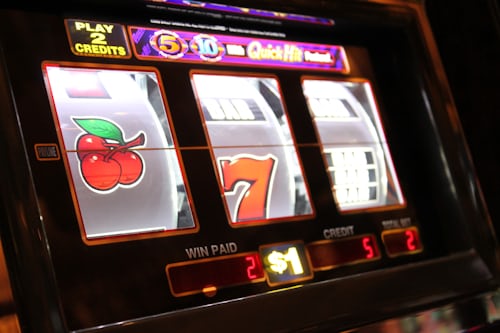
SpinSage33: A Safe Gambling Environment
For those looking to explore online gambling, SpinSage33 provides a premier platform tailored to Australian players. With a vast selection of over 5,000 games from leading providers, players can experience diverse gaming options in a secure environment. SpinSage33 prioritizes responsible gambling practices by offering features that allow players to set limits on their deposits and gameplay, encouraging a balanced approach to gaming.
The platform also provides generous welcome bonuses and promotions, which can enhance the gaming experience while allowing players to explore different games without significant financial risk. With various payment methods, including popular options like PayID and cryptocurrency, users can enjoy quick and secure transactions. SpinSage33’s commitment to customer support ensures that players can seek assistance anytime, making it a reliable choice for online gambling.
In conclusion, understanding the psychology behind gambling behaviors is crucial for making informed decisions in gambling contexts. By recognizing cognitive biases, emotional impacts, and responsible gambling practices, players can enjoy a safer and more enjoyable gaming experience. SpinSage33 stands out as a trusted platform that prioritizes the well-being of its users, helping players navigate the exciting world of online gaming responsibly.
tag:
Share:
