


Unveiling the truth Common gambling myths that mislead players
Unveiling the truth Common gambling myths that mislead players
The Gambler’s Fallacy: A Misunderstood Concept
One of the most pervasive myths in gambling is the gambler’s fallacy, which suggests that past outcomes influence future results. Many players believe that if a particular number hasn’t come up in a while, it is “due” to appear soon. This misconception can lead to poor betting strategies, as it ignores the independent nature of each event in games like roulette or slots. Engaging with platforms such as Le Fisherman can provide valuable insights into understanding these dynamics.

In reality, each spin of the wheel or pull of the lever is random and not influenced by previous outcomes. Casinos ensure that their games have a house edge, which means that over time, the odds are always in favor of the house, regardless of past results. Understanding this concept can help players make more informed decisions rather than relying on flawed reasoning.
Myths About Strategies and Systems
Another common myth is that specific strategies or systems can guarantee success in gambling. Many players invest in betting systems that claim to provide a foolproof way to win consistently. However, these strategies often rely on misconceptions about probability and are not based on sound mathematical principles.
While it is true that some strategies may enhance a player’s experience or manage their bankroll more effectively, no system can overcome the inherent odds of the game. Players should approach gambling as a form of entertainment rather than a reliable source of income, recognizing that the house advantage will always exist.
Beliefs About Luck and Skill
A prevalent myth in the gambling community is the distinction between games of luck and games of skill. Many believe that skill can significantly improve outcomes in games deemed as luck-based, such as slots or roulette. While skill does play a role in some games, such as poker or blackjack, most casino games rely heavily on chance.
It is crucial for players to understand that luck is a significant factor in most casino settings. While developing skills can enhance a player’s experience in specific games, it does not change the fundamental nature of games that are heavily based on luck. This understanding can help players manage their expectations and approach each game with the right mindset.
The Illusion of Control in Gambling
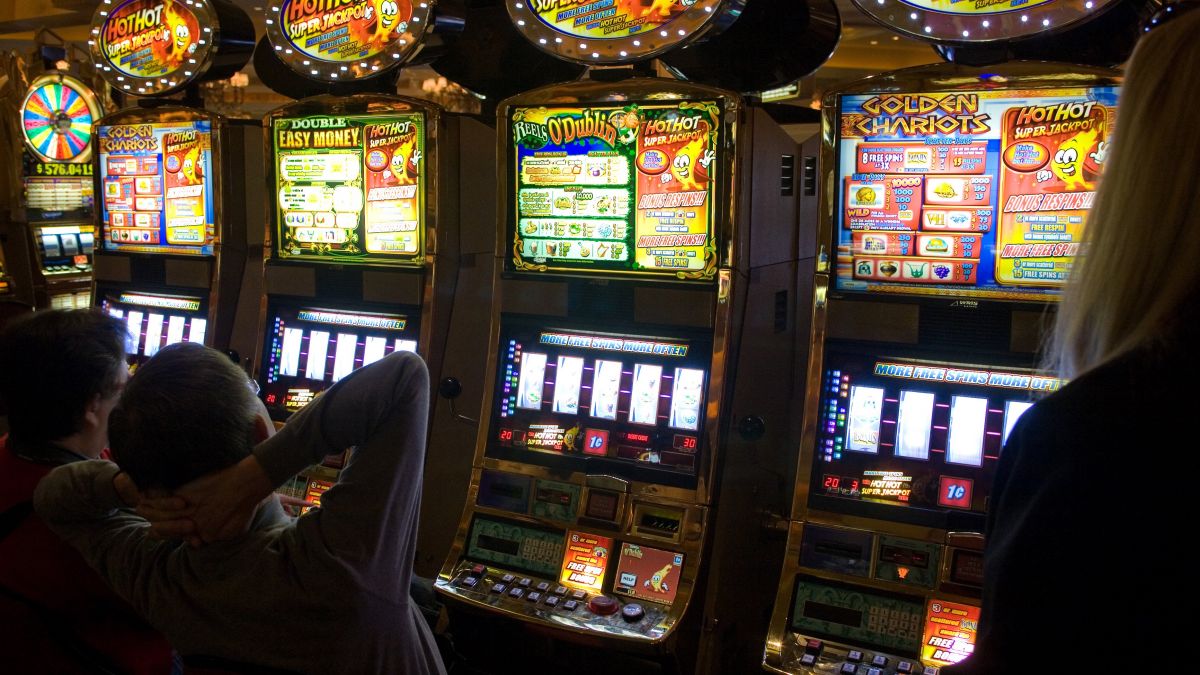
Many players harbor the belief that they can control the outcome of games through their actions, such as using special rituals or techniques. This myth creates an illusion of control that can be detrimental to a player’s overall gambling experience. Players may feel compelled to repeat certain behaviors, thinking they will influence their luck, when in fact, these actions have no bearing on the game’s outcome.
Recognizing that gambling outcomes are purely random can help mitigate this illusion of control. This awareness can promote healthier gambling habits, encouraging players to enjoy the experience without the burden of trying to manipulate the outcome through unfounded beliefs.
Empowering Players with Knowledge
At our platform, we aim to empower players with accurate information and insights into the gambling world. Understanding the truths behind common myths allows players to make informed choices, enhancing their overall gaming experience. Our resources cover a wide range of topics, from game strategies to responsible gambling practices.
By demystifying these misconceptions, we strive to create an environment where players can enjoy gambling responsibly and for entertainment. Whether you are a novice or a seasoned player, gaining knowledge is your best strategy in navigating the complexities of gambling. Join us for more informative content that helps shape your understanding of this captivating world.
tag:
Share:
